Remote engineering offsite playbook for 2026
Remote engineering offsite playbook for 2026
A remote engineering offsite is a 4-day in-person gathering, run twice yearly, where a distributed team works two days, socializes one, and travels the bookends. Budget $2,000 to $5,000 per person all-in, plan 3 months ahead, pick a city with a major airport hub, and ship the agenda in writing two weeks before travel.
That is the whole playbook in one paragraph. The rest of this post is the mechanics: how to pick the location, when to send the agenda, what tools actually save you time, and where most offsites quietly fall apart.
Why twice yearly is the right cadence
Once a year is too rare. New hires wait 8 months to meet teammates, momentum from the last offsite has evaporated, and the agenda balloons because it is the only chance you get. Quarterly is too often. Engineers stop shipping in the run-up, travel fatigue compounds, and the marginal value of a fourth gathering in 12 months is close to zero.
Two offsites per year is the cadence that has settled across most remote engineering teams we work with: one in spring (April or May), one in fall (September or October), each 4 days long, with most of the team rotating through at least one of them. Six months of distance is short enough that team chemistry survives. It is long enough that you actually have new work to celebrate.
Skip July, August, and December. Vacation schedules will eat your attendance.
Location: airport hub vs nature retreat
The single biggest decision is location. You are picking between two real archetypes, and both win for different teams.
Central airport hub. Lisbon, Mexico City, Barcelona, Bangkok, Austin. Pick a city with direct flights from the timezones your team lives in. Accommodations are cheap, food is everywhere, and if a flight gets canceled, the rebooking options are real. The downside: the city competes with the offsite. People wander off, side-quest into tourism, and the deep-work blocks fragment.
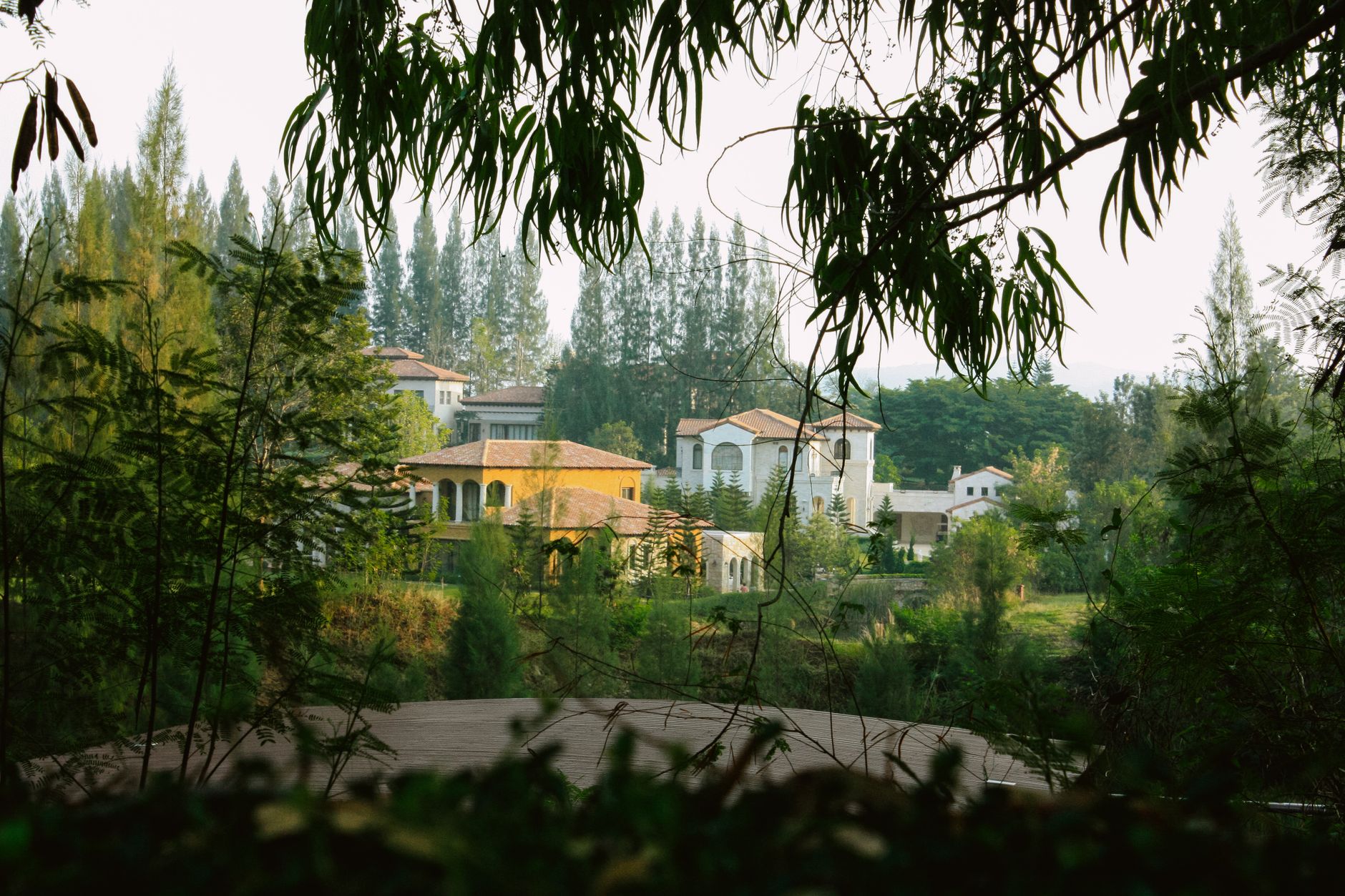
Nature retreat. A villa in Tuscany, a lodge in Colorado, a Surf Office house on the Portuguese coast. Forced proximity, no distractions, and the bonding curve is faster. The downside: getting there is a tax. A 90-minute transfer from the airport, on top of a long-haul flight, can burn the entire first day. Dietary needs, medication runs, and last-minute logistics are harder when the nearest pharmacy is 40 minutes away.
Our rule: airport hub for teams larger than 12 people, or teams with members coming from more than 4 timezones. Nature retreat for teams of 6 to 10 that have done at least one prior offsite together. First offsite for a new team? Airport hub. Always.
The 4-day format that actually works
Compressed agendas burn people out. 5-day offsites push attendance away because nobody can take a full week off back-to-back. 3-day offsites lose a full day to travel on each side and end up with one usable work block. 4 days is the local optimum.
| Day | Format | Purpose |
|---|---|---|
| Monday | Arrival + welcome dinner | Travel-friendly start; no real work agenda |
| Tuesday | Full work day (deep work + planning) | The architecture session, the roadmap review |
| Wednesday | Full work day (collaboration + demos) | Pair sessions, demos, retros, hackathon energy |
| Thursday | Social day (activity + group dinner) | Hike, surf lesson, cooking class, anything not at a screen |
| Friday | Travel day | Late checkout, casual breakfast, fly home |
Monday and Friday are intentionally soft. People are flying. Trying to schedule a 9am kickoff on Monday when half the team is still in transit is how you start the offsite already behind.
Tuesday and Wednesday are the work days. Two days is enough to get one big thing decided and shipped: a 6-month roadmap, an architecture migration plan, a new performance review process. Don't try to decide three things. Pick one.
Thursday is the social day. Plan one structured activity (hiking, sailing, a cooking class) and one unstructured evening. Do not schedule from 9am to 11pm. The unscheduled hours are when actual bonding happens.
Planning timeline: start 3 months out
Anything less than 90 days of lead time and you pay a premium on flights, lose the better venues, and force engineers to scramble for visas or passport renewals.
| Week before offsite | Action |
|---|---|
| 12 weeks | Lock dates and city. Send save-the-date. |
| 10 weeks | Book accommodations (Airbnb whole-house or Surf Office) and any large venue. |
| 8 weeks | Open flight budget to attendees; they self-book within a cap. |
| 6 weeks | Confirm dietary restrictions, accessibility needs, and visa status. |
| 4 weeks | Draft agenda. Share rough version internally for feedback. |
| 2 weeks | Ship the final agenda in writing. No surprises after this point. |
| 1 week | Confirm transfers, share a Notion page with all logistics. |
| Day 0 | A Slack channel with arrival times, hotel address, dinner location. |
The 12-week mark is the one most teams blow. They start planning at 6 weeks, find prices have doubled, and end up either eating the cost or downgrading the venue.
Budget: $2,000 to $5,000 per person all-in
This range is where most well-run remote engineering offsites land in 2026. Below $2,000 you are squeezing too hard on flights or accommodations and someone has a miserable time. Above $5,000 the marginal return per dollar collapses fast.
| Line item | Junior team budget | Generous budget |
|---|---|---|
| Flights | $600 | $1,500 |
| Accommodation (4 nights) | $400 | $1,000 |
| Food | $400 | $800 |
| Activities | $200 | $500 |
| Transfers + ground | $100 | $200 |
| Contingency (10%) | $170 | $400 |
| Buffer for visa, gear, etc. | $130 | $600 |
| Total per person | $2,000 | $5,000 |
For a team of 10 that is $20k to $50k per offsite, $40k to $100k per year. If that number looks high, run it against the alternative: replacing one engineer who quits because they never feel connected to the team. The fully-loaded cost of a single bad attrition event (recruiting, ramp, lost velocity) blows past $40k in most engineering orgs.
The 60/40 agenda balance
Sixty percent work, forty percent social. That ratio is the difference between an offsite that pays for itself and a corporate retreat that everyone privately resents.
Sixty percent work means: actual architecture sessions, roadmap planning, retros, demos, pair programming on a real problem. Not slideware. Not vision exercises that produce a deck nobody reads. Use the in-person time for work that is genuinely hard to do async.
Forty percent social means: shared meals, one structured activity, unscheduled evenings. Not forced fun. Trust falls are out. Cooking classes, hikes, surf lessons, board game nights, a walking tour, all work. The point is shared experience that gives people something to reference for the next six months.
If you are looking for templates on how to set the work blocks themselves, our async standup template is a useful starting point because the offsite agenda should mirror the async rhythms the team already runs.
The "no surprise agenda" rule
The single most important thing you can do for an offsite is publish the agenda in writing two weeks before anyone travels. Every session. Every dinner. Every activity. Who is leading it, what the output is, who needs to prepare what.
The reason is mechanical. Engineers are introverts on average. Unscheduled social time is fine. Unscheduled work time, where someone announces on Tuesday morning "let's do a deep architecture review on the new payments service this afternoon," is a way to ambush the person who would have wanted to prepare. They show up unprepared, they feel ambushed, and the quality of the session is half what it could have been.
Publish the agenda. Let people prep. The session quality doubles.
Dietary, accessibility, and the unsexy details
Two weeks before the offsite, send a Google Form or Tally with these fields:
- Dietary restrictions (free text, not checkboxes; allergies are not a multiple choice question)
- Accessibility needs (mobility, hearing, vision, medication storage requirements)
- Emergency contact + local SIM availability
- Arrival time and flight number
- Departure time
- Any health condition you want the team lead to know about confidentially
This is not bureaucratic overhead. It is the thing that prevents one person from spending the entire offsite eating bread because nobody asked them if they were gluten-free. Confirm with the venue or caterer 5 days before arrival.
The toolchain: what actually saves time
Don't overbuild this. Three tools cover 90% of the planning work.
| Tool | What it costs | What it replaces |
|---|---|---|
| Airbnb | $80 to $400 per night per room | Hotel chains, group rate negotiation |
| Surf Office | $1,500 to $3,000 per person all-in | DIY venue + activity planning |
| Pleo (or Brex / Ramp) | $0 to $10/user/month | Reimbursement paperwork |
Airbnb wins for teams of 6 to 14 who want a whole-house experience: one big house, shared kitchen, common areas for late-night chess. Filter for verified Wi-Fi speed.
Surf Office runs turnkey offsite packages in Lisbon, Barcelona, and a handful of other cities. Accommodation, meeting rooms, activities, food, all bundled. You pay a premium but save 40 to 60 hours of planning. For a first-time organizer, often the right call.
Pleo (or Brex or Ramp) issues virtual cards to each attendee with a preset spend limit per category. Engineers buy their own flights, expense taxis, and you skip the receipt-collection theater. Reconciliation happens in the app.
Post-offsite documentation
The offsite ends at the airport but the value lasts six months only if you write it down. Within 5 working days, ship a Notion (or Coda or Reflect) page with:
- The decisions made (architecture, roadmap, process)
- The owners of each follow-up action with a due date
- Photos and a 2-minute video reel
- A retro: what worked, what didn't, what we'll change
This becomes the seed of the next offsite. Six months from now, the first thing you do is read the retro and avoid the same mistakes.
Why this matters more for remote engineering teams
A remote team that never meets in person has a real ceiling on the kinds of decisions it can make well. Architecture migrations, controversial reorgs, long-horizon planning. These benefit from a whiteboard and a few uninterrupted hours together.
Every engineer on Cadence is AI-native, vetted on Cursor / Claude Code / Copilot fluency before they unlock bookings, and most ship from 3 to 5 different timezones. Even with strong async culture, founders we work with run offsites because the alternative (zero in-person time, ever) caps how ambitious the team can get. For tightening the rest of the year, our timezone overlap guide for US startups and 1-week remote engineer onboarding playbook cover the patterns.
Offsite vs co-working week vs no offsite
| Approach | Cost per person | Time investment | Best for |
|---|---|---|---|
| Twice-yearly offsite (this playbook) | $2k to $5k × 2 | 8 days/year per engineer | Stable teams with 6+ engineers and 6+ month tenure |
| Co-working week (quarterly, smaller) | $1k to $2k × 4 | 16 days/year per engineer | Teams of 4-8 in similar timezones, frequent collaboration |
| No offsite, async only | $0 | 0 days | Pre-product-market-fit teams or solo-founder + 1 contractor setups |
The honest answer: no offsite is fine if you are 3 people who have all worked together before and your runway is tight. Once you cross 6 engineers, the cost of not meeting in person starts showing up as missed context, weaker decisions, and slower attrition recovery.
Co-working weeks are great when the team is small and clustered (think 6 engineers, all within 2 hours of each other). They lose appeal fast as the team grows or spreads.
If you are still in the "do we even need this" stage, we built /tools/decide to help founders pressure-test investments like this against the actual cost of the alternative.
What to do next
If you are running your first remote engineering offsite, three concrete next steps:
- Pick a date 12 weeks out, send the save-the-date this week. Don't perfect it; ship it.
- Use Surf Office for round one. The 30% premium over DIY pays for itself in saved hours and one fewer thing going wrong.
- Write the agenda 2 weeks before travel. Share it. Stick to it.
If your offsite is six weeks out and you are short an engineer or two who you actually want at the offsite, this is one of the cases where on-demand booking solves a real problem. You can find your remote engineer in 2 minutes on Cadence and run them through the 48-hour free trial before committing.
Run your first remote engineering offsite with a fully staffed team. Cadence books vetted, AI-native engineers by the week, with daily ratings and a 48-hour free trial so you know the fit before the offsite. Find your engineer in 2 minutes.
FAQ
How often should we run a remote engineering offsite?
Twice a year, every 6 months, is the standard cadence for most well-run remote engineering teams. Quarterly is usually too frequent and once a year is too sparse, especially for teams hiring more than 2 engineers per year.
What is a realistic budget per person for an offsite?
$2,000 to $5,000 all-in per person is the working range in 2026 (flights, accommodation, food, activities, transfers, contingency). Below $2,000 you are cutting corners that show. Above $5,000 the marginal return drops fast.
Should we pick a city or a remote retreat venue?
City for teams larger than 12 or teams crossing more than 4 timezones (better flight connections, easier logistics). Remote retreat for teams of 6 to 10 with prior offsite experience (better bonding, fewer distractions). First-ever offsite: always pick a city.
How far in advance should we plan a remote offsite?
90 days minimum. The 12-week mark is when you lock dates and city, 8 weeks is when flights get booked, and 2 weeks before travel is when the final written agenda goes out. Less than 8 weeks of lead time means paying premium on flights and accepting whatever venue is left.
What is the right work-to-social ratio for an engineering offsite?
60% work, 40% social. Concretely, that means 2 full work days, 1 social day, and 2 soft travel days in a 4-day format. Skewing higher than 70% work burns people out; skewing lower than 50% makes the offsite feel like a corporate retreat people privately resent.
15+ years across startups, healthcare, marketing, sales, and IT. NIT Bhopal, Arizona State University. Built and exited companies. Writes on operations and founder-led growth.